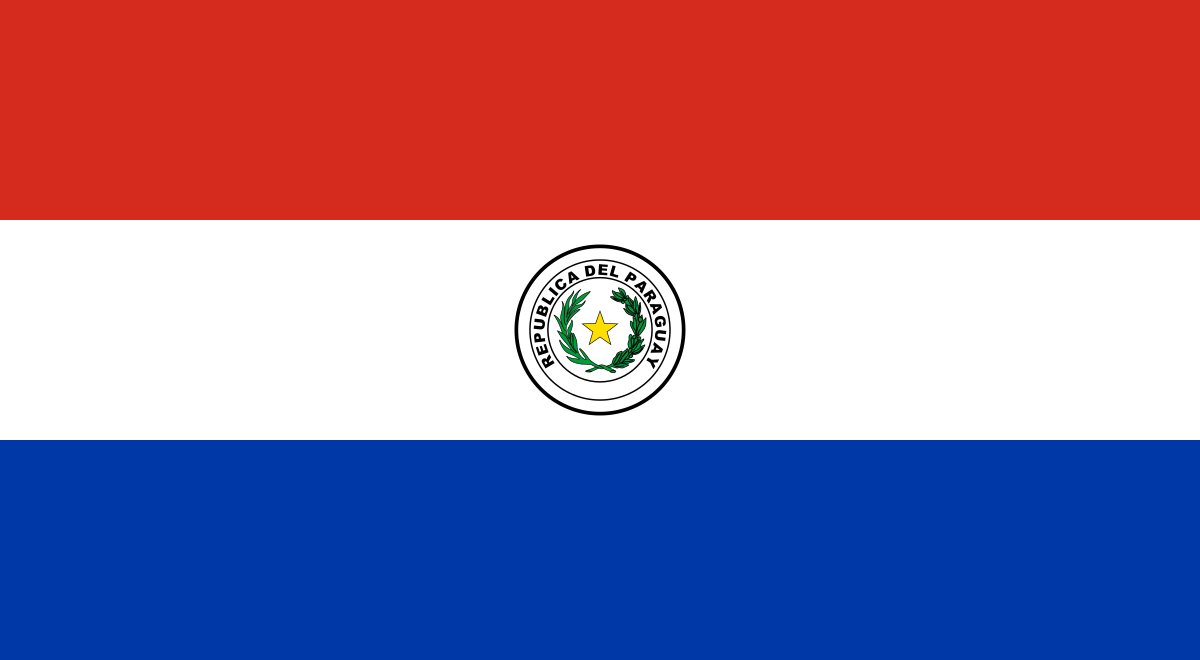
Paraguay, a strategic riverine country in South America
Paraguay is a country without direct access to the sea, but its exceptional river network makes it an important maritime actor. The two main waterways, the Paraguay River and the Paraná River, form the backbone of inland maritime transport. This river system connects the country to the Argentine port of Rosario and, further, to the Atlantic Ocean via the Paraná delta. These navigable waterways are essential for the Paraguayan economy as they facilitate the export of major agricultural products such as soy, corn, and cotton. Paraguayan authorities have also developed several modern port infrastructures on these rivers to support logistics, such as the ports of Villeta and Concepción, thus strengthening the country's connectivity with international markets.
Furthermore, navigation management is regulated by bilateral agreements and regional institutions like the Rio de la Plata Treaty, which facilitates free navigation on these waterways. Paraguay therefore heavily depends on the security and maintenance of its waterways, particularly facing environmental challenges such as flooding and siltation, which can hinder river maritime traffic.
In summary, although landlocked, Paraguay maintains a robust maritime activity thanks to its river network, which remains vital for its economic development and regional integration in South America.